A feature-length desktop documentary examining how images of violence circulate, mutate, and persist in digital spaces. Moving between virtual investigations and encounters with artists, activists, and researchers.
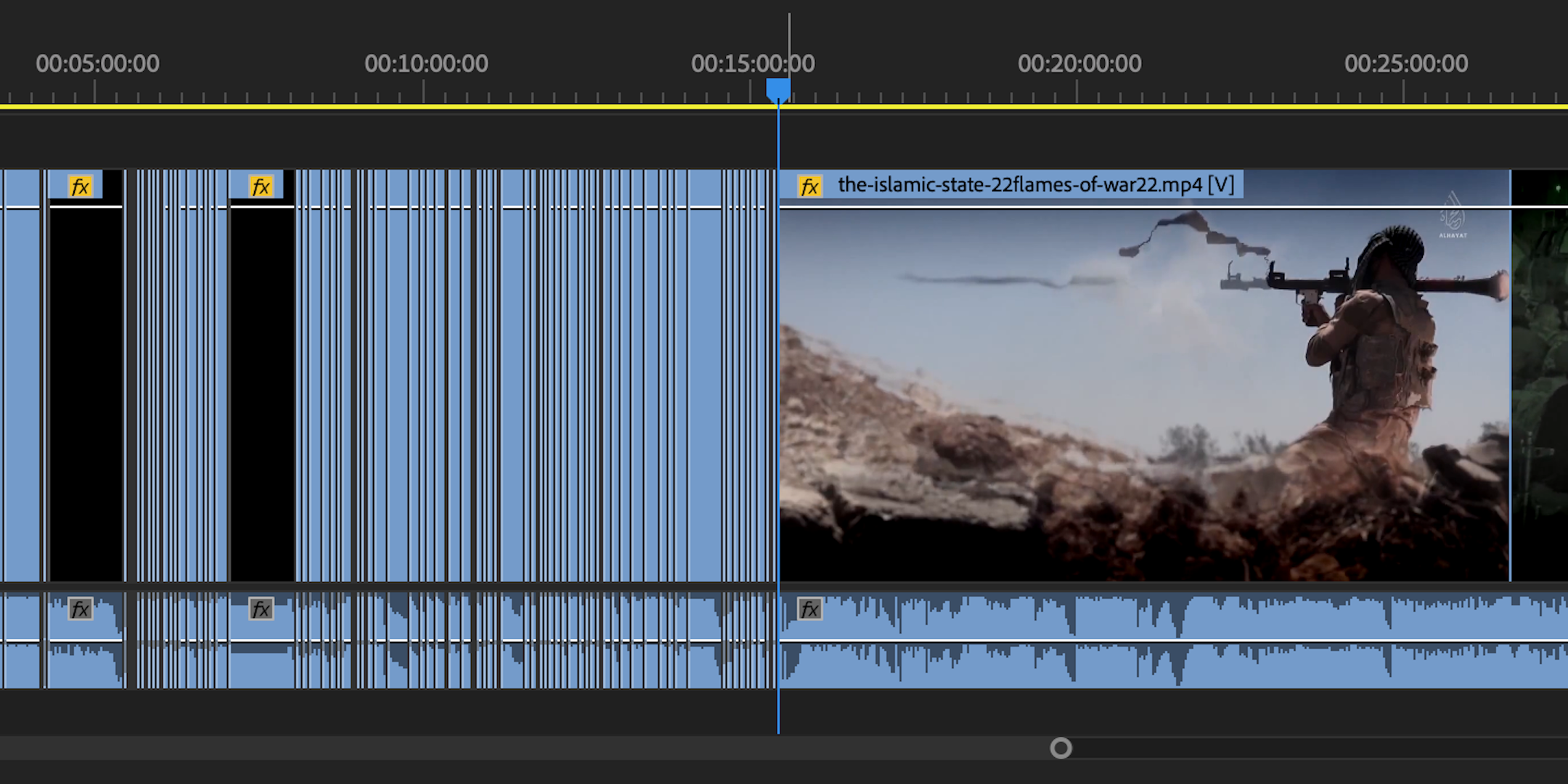
Afterlives delves into the historical and digital traces of extremist propaganda, questioning how images of violence circulate, mutate, and persist. The film examines how media portray the Western world as "civilised" and the Middle East as "brutal," revealing the geopolitical visual regimes that shape contemporary understandings of extremism.
At its core is the figure of Medusa—a victim of violence whose gaze turned viewers to stone—invoked as a symbol of both the dangers and transformative potential of looking.
"An unflinchingly complex and thought-provoking tapestry that interrogates the many faces of violence confronting our lives."
— BFI London Film Festival"A dedicated, reflective documentary, the bell of its urgency ringing far into the past and into the futures of images."
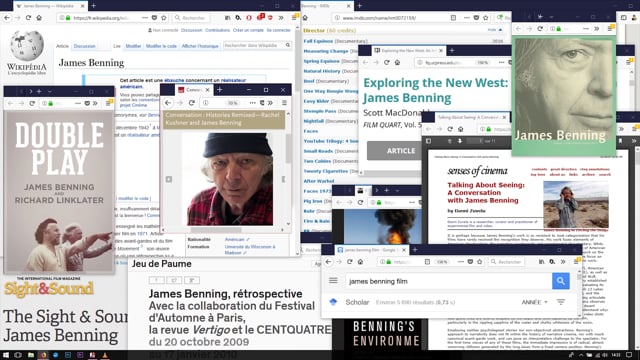
— Savina Petkova, The Film StageDesktop cinema (also referred to as computer screen film) is an emerging form of film and media making that presents the world as it is experienced through computer screens and networked interfaces. In filmic terms, it treats the computer screen as both a camera lens and a canvas, realizing its potential as an artistic medium.
At its best, desktop cinema not only depicts screen-based experience, but critically reflects on it. To date, this potential has been most fully realized through the form of desktop documentary. If the documentary genre is meant to capture life's reality, then desktop recording acknowledges that computer screens are now a primary mode of daily experience through an always-on network of audiovisual data. Desktop documentary seeks to both depict and question the ways we explore the world through the computer screen.
"Desktop documentary is a form that both presents and critically reflects on the world as experienced through computer screens and online interfaces. Treating the desktop as a medium for non-fiction storytelling proposes a unique set of epistemological dilemmas, affective dimensions, and aesthetic discoveries."
— Stanford Humanities"This form of audiovisual presentation, with its incredibly skillful and brilliantly thought through use of screen capture, has the potential to revolutionize aspects of media studies teaching and learning."
— Catherine Grant, Film Studies for FreeA feature-length desktop documentary examining how images of violence circulate, mutate, and persist in digital spaces.
Director: Kevin B. Lee
Runtime: 85 minutes
Year: 2025
An emerging form that treats the computer screen as both a camera lens and a canvas, presenting and critically reflecting on the world as experienced through screens.